



George Bernard Shaw famously said that “England and America are two countries divided by a common language,” and any American who’s ever been asked to write in British English has quickly seen why. The differences in American English vs. British English are many, and while there are a few rules of thumb you can follow when trying to adapt to British spelling, punctuation, and grammar rules, both dialects contain plenty of exceptions, contradictions, and things that just plain don’t make sense. Read more ›

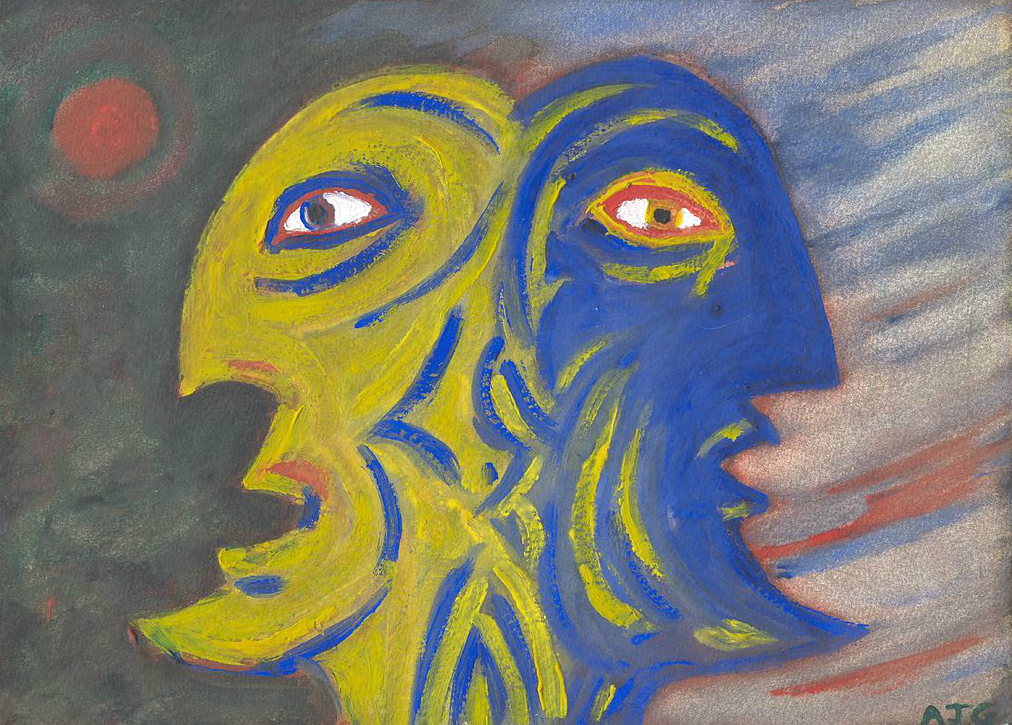 English can be a confusing language in many different ways, with words that are spelled the same but pronounced differently (like “lead” the element and “lead” the verb) and words that are pronounced the same but spelled differently (like “threw” and “through”). But one extra layer of confusion comes from auto-antonyms, also known as Janus words or contronyms. An auto-antonym, also sometimes called a self-antonym, is a word that means two opposite things at the same time. The English language contains a surprisingly large number of words that have opposite meanings, which can largely be attributed to the ever-shifting nature of words and their definitions. Can’t think of an auto-antonym off the top of your head? You’d be surprised how many words with opposite meanings you use every day without even noticing it. Make sure that if you’re using these words in your writing, it’s very clear which definition you mean!
 Here’s hoping that you like Christmas carols, ’cause at this time of year, you can’t escape them. Whether you’re driving to work, doing a bit of shopping, or just sitting in a waiting room somewhere, chances are good that you’ll hear those same old chestnuts, sometimes comforting in their familiarity, sometimes downright annoying (yes, little Michael Jackson, we believe that you saw Mommy kissing Santa, we do, so shut up already!). But if you actually listen to this seasonal soundtrack, you might start to wonder, “Just what is a spinet, anyway? What is wassail? And why does this song call the Virgin Mary fat?” The confusion tends to be caused by one of two things: pausing in the wrong places or archaic Christmas carol lyrics.